Choosing the Right Dexter Axle Oil Cap for Safe and Reliable Bearing Maintenance
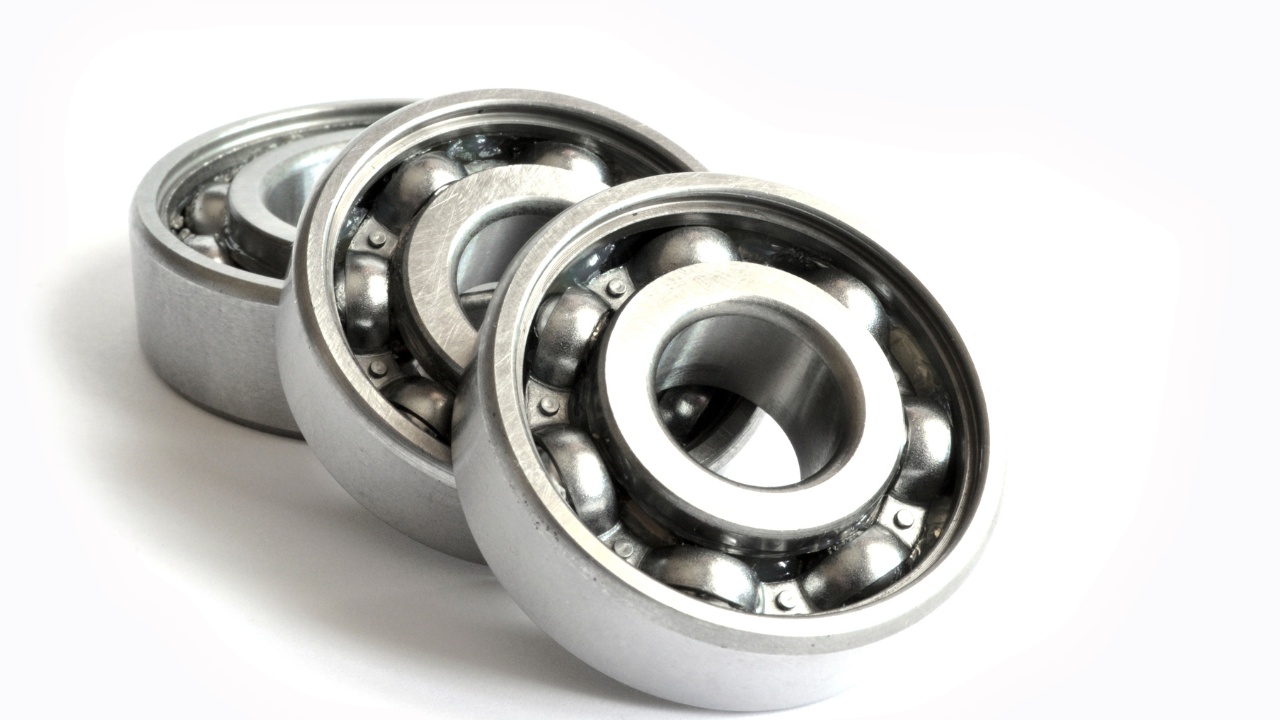
For trailer and fleet operators, bearing lubrication is not just routine maintenance; it is a direct factor in uptime, safety, and operating cost. If you are working with a dexter axle oil cap or a dexter 21 35 cap, understanding the right lubrication method can help prevent premature wear and reduce costly hub failures.
How to Lubricate Your Bearings
Dexter-style hubs are typically maintained in one of two ways: grease-packed bearings or oil-lubricated hubs. Proper servicing starts with confirming which setup your axle uses, because the lubrication method and cap type must match the hub design. According to Dexter maintenance guidance, grease-lubricated bearings should be serviced at regular intervals, while oil-lubricated hubs should be checked and topped off with the correct gear oil level through the cap or fill point.
For grease-packed bearings:
- Remove the hub and inspect the bearing surfaces for heat, scoring, or contamination.
- Clean and repack the bearings thoroughly with the recommended grease.
- Replace worn seals before reassembly.
- Avoid overfilling, since excess pressure can damage seals.
For oil-bath hubs:
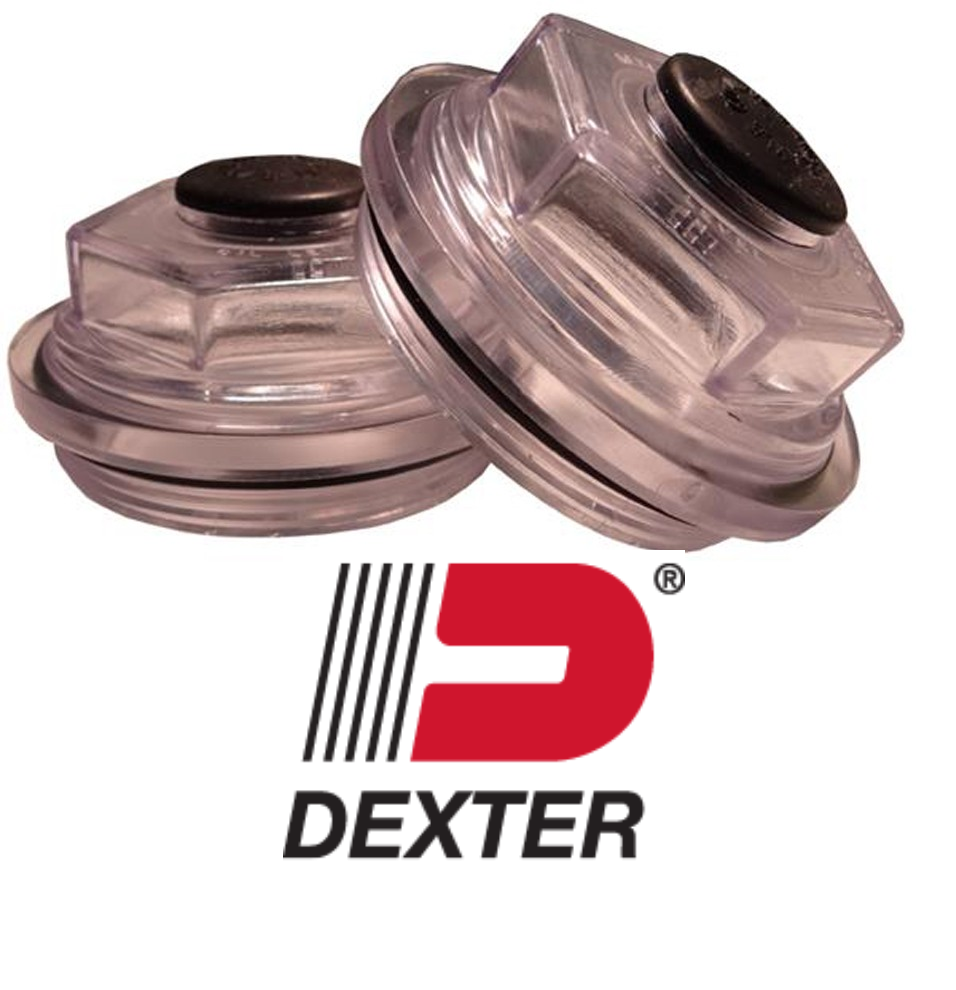
- Verify the oil level against the indicator mark on the clear cap.
- Refill only with the specified gear oil.
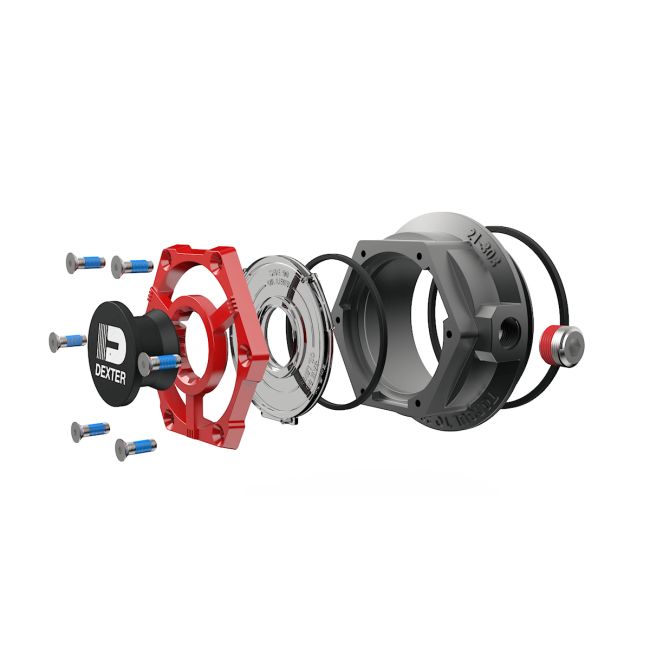
- Inspect the cap O-ring and plug for leaks or cracks.
- Confirm there is no milky discoloration, which can indicate water contamination.
A practical example: a delivery trailer that runs long highway miles often benefits from oil-bath hubs because inspection is easier and temperature changes are easier to monitor through the cap. The key is matching the cap and axle specification to the service environment.
Can I Change from Oil Bath to Grease on My Hotshot Trailer
Switching from oil bath to grease is sometimes possible, but it is not a simple cap swap. The decision depends on the axle configuration, hub design, seal compatibility, and whether the hub is approved for both lubrication methods. Dexter documentation notes that some axle systems can be used in both oil and grease applications, but only when the correct hardware and setup are used.
Before converting a hotshot trailer from oil to grease, consider the following:
- Check axle model compatibility.
- Confirm whether the hub and spindle were designed for both lubrication types.
- Replace the oil cap with the correct grease-compatible components.
- Install the proper seals and bearings for the new setup.
- Verify that the new arrangement meets the manufacturer’s application guidance.
In real-world fleet use, operators sometimes choose grease because it is familiar and may seem easier to maintain. However, oil-bath hubs can make inspections faster and can be advantageous for high-mileage trailers that need frequent visual checks. If the goal is simpler maintenance, the answer is not always “switch to grease”; sometimes it is “standardize the correct oil-bath service process.”
For product-specific fitment guidance, this resource is useful: Dexter axle oil cap compatibility details.
Lubrication Grease or Oil
Choosing between grease and oil depends on how the trailer is used, how often it is inspected, and the axle’s original design. Grease is a thick lubricant that stays in place well and is common in many general trailer applications. Oil flows more freely, which allows for easier visual inspection of the hub and can help reveal issues earlier when a clear cap is used.
Here is a simple comparison:
- Grease: better for traditional repack intervals, more forgiving in some environments, and often preferred for routine service.
- Oil: easier to inspect visually, useful for detecting contamination quickly, and common in higher-capacity Dexter hubs designed for oil bath service.
A business operator managing several trailers may prefer oil-bath hubs for inspection speed, especially when vehicles are returned to service quickly and downtime matters. On the other hand, a smaller operation with infrequent maintenance intervals may favor grease for its simplicity.
If you are evaluating a replacement cap, this product page can help you identify the right style: Dexter 21-35 hubcap product information.
What to Check Before Replacing a Cap
A cap is more than a cover; it is part of the hub’s sealing and inspection system. The wrong cap can lead to leaks, contamination, or poor fitment. The dexter 21 35 cap is used on specific axle and hub configurations, so part number matching matters as much as thread size and appearance.
Before ordering a replacement:
- Confirm axle capacity and model year range.
- Match the cap style to oil or grease service.
- Inspect the O-ring, plug, and threads.
- Compare the cap dimensions against the existing hub opening.
- Verify whether your hub requires a clear inspection window.
For fleet maintenance teams, standardizing part numbers across the trailer lineup can save time and reduce inventory mistakes. That matters when trailers are down for service and every hour counts.
Conclusion
Whether you are servicing a single hotshot trailer or a larger commercial fleet, bearing lubrication should be treated as a maintenance priority, not an afterthought. The right choice between grease and oil depends on axle design, service routine, and how closely you need to monitor hub condition.
If your setup uses a dexter axle oil cap or a dexter 21 35 cap, the safest approach is to verify compatibility before changing lubrication methods or ordering replacement parts. Correct fitment, proper lubrication, and regular inspection are the best defenses against downtime and bearing failure.
For trailer and fleet operators, bearing lubrication is not just routine maintenance; it is a direct factor in uptime, safety, and operating cost. If you are working with a dexter axle oil cap or a dexter 21 35 cap, understanding the right lubrication method can help prevent premature wear and reduce costly hub failures.
How to Lubricate Your Bearings
Dexter-style hubs are typically maintained in one of two ways: grease-packed bearings or oil-lubricated hubs. Proper servicing starts with confirming which setup your axle uses, because the lubrication method and cap type must match the hub design. According to Dexter maintenance guidance, grease-lubricated bearings should be serviced at regular intervals, while oil-lubricated hubs should be checked and topped off with the correct gear oil level through the cap or fill point.
For grease-packed bearings:
- Remove the hub and inspect the bearing surfaces for heat, scoring, or contamination.
- Clean and repack the bearings thoroughly with the recommended grease.
- Replace worn seals before reassembly.
- Avoid overfilling, since excess pressure can damage seals.
For oil-bath hubs:
- Verify the oil level against the indicator mark on the clear cap.
- Refill only with the specified gear oil.
- Inspect the cap O-ring and plug for leaks or cracks.
- Confirm there is no milky discoloration, which can indicate water contamination.
A practical example: a delivery trailer that runs long highway miles often benefits from oil-bath hubs because inspection is easier and temperature changes are easier to monitor through the cap. The key is matching the cap and axle specification to the service environment.
Can I Change from Oil Bath to Grease on My Hotshot Trailer
Switching from oil bath to grease is sometimes possible, but it is not a simple cap swap. The decision depends on the axle configuration, hub design, seal compatibility, and whether the hub is approved for both lubrication methods. Dexter documentation notes that some axle systems can be used in both oil and grease applications, but only when the correct hardware and setup are used.
Before converting a hotshot trailer from oil to grease, consider the following:
- Check axle model compatibility.
- Confirm whether the hub and spindle were designed for both lubrication types.
- Replace the oil cap with the correct grease-compatible components.
- Install the proper seals and bearings for the new setup.
- Verify that the new arrangement meets the manufacturer’s application guidance.
In real-world fleet use, operators sometimes choose grease because it is familiar and may seem easier to maintain. However, oil-bath hubs can make inspections faster and can be advantageous for high-mileage trailers that need frequent visual checks. If the goal is simpler maintenance, the answer is not always “switch to grease”; sometimes it is “standardize the correct oil-bath service process.”
For product-specific fitment guidance, this resource is useful: Dexter axle oil cap compatibility details.
Lubrication Grease or Oil
Choosing between grease and oil depends on how the trailer is used, how often it is inspected, and the axle’s original design. Grease is a thick lubricant that stays in place well and is common in many general trailer applications. Oil flows more freely, which allows for easier visual inspection of the hub and can help reveal issues earlier when a clear cap is used.
Here is a simple comparison:
- Grease: better for traditional repack intervals, more forgiving in some environments, and often preferred for routine service.
- Oil: easier to inspect visually, useful for detecting contamination quickly, and common in higher-capacity Dexter hubs designed for oil bath service.
A business operator managing several trailers may prefer oil-bath hubs for inspection speed, especially when vehicles are returned to service quickly and downtime matters. On the other hand, a smaller operation with infrequent maintenance intervals may favor grease for its simplicity.
If you are evaluating a replacement cap, this product page can help you identify the right style: Dexter 21-35 hubcap product information.
What to Check Before Replacing a Cap
A cap is more than a cover; it is part of the hub’s sealing and inspection system. The wrong cap can lead to leaks, contamination, or poor fitment. The dexter 21 35 cap is used on specific axle and hub configurations, so part number matching matters as much as thread size and appearance.
Before ordering a replacement:
- Confirm axle capacity and model year range.
- Match the cap style to oil or grease service.
- Inspect the O-ring, plug, and threads.
- Compare the cap dimensions against the existing hub opening.
- Verify whether your hub requires a clear inspection window.
For fleet maintenance teams, standardizing part numbers across the trailer lineup can save time and reduce inventory mistakes. That matters when trailers are down for service and every hour counts.
Conclusion
Whether you are servicing a single hotshot trailer or a larger commercial fleet, bearing lubrication should be treated as a maintenance priority, not an afterthought. The right choice between grease and oil depends on axle design, service routine, and how closely you need to monitor hub condition.
If your setup uses a dexter axle oil cap or a dexter 21 35 cap, the safest approach is to verify compatibility before changing lubrication methods or ordering replacement parts. Correct fitment, proper lubrication, and regular inspection are the best defenses against downtime and bearing failure.